WARNER BROS. / DIRECTOR OF DESIGN
DC Worlds
Collide
I led the Game Design and UI/UX organization through production, worldwide launch, and live operations.
- Led 26 Designers
- Managed the organization of game and UI/UX designers through both direct and indirect reports.
- 90+ DC Characters
- Oversaw the design and integration that brought beloved DC characters to life.
- 27% Better Retention
- Improved D30 retention from Closed Beta to Soft Launch.
The Challenge
When I joined, the organization had been without a Director of Design for years. Design needed a clearer identity, a stronger place alongside the other disciplines, and a better understanding of where its responsibilities differed from Product’s.
We had also inherited Worlds Collide from a third-party developer that had dissolved. There was no original team available to explain why systems worked the way they did or what decisions had shaped them. We were piloting a plane we did not build but had to own. My challenge was to help the design organization establish its role while building the understanding we needed to take responsibility for the game.
Leading the Design Organization
When I joined, decisions tended to filter back to Product, and designers did not feel empowered to steer the game. I wanted Design to have a hand on the wheel.
I worked with the Director of Product to establish clear ownership: Product focused on the “why,” identifying which problems mattered. Design owned the “how,” deciding how we would solve them through the player experience. We documented those responsibilities in a shared ownership chart so the agreement could carry through to our teams.
This made decisions easier to resolve because we knew who owned them. It also gave designers room to make meaningful choices about the game, backed by a Director who could represent those decisions alongside the other disciplines.
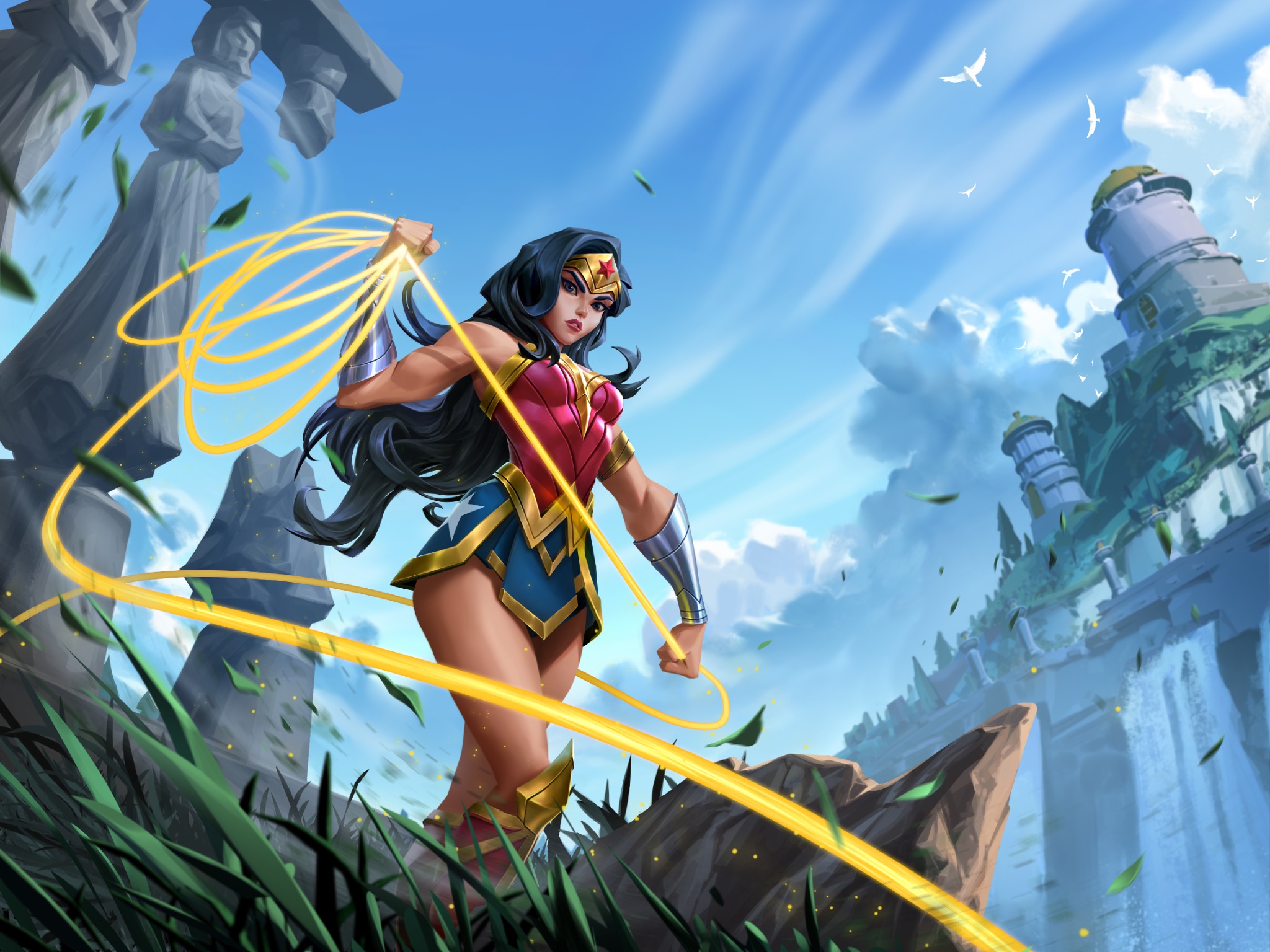
Bringing DC Characters to Life
I worked closely with the character design lead as a sounding board, with regular conversations focused on refining designs and working through decisions. The character pod owned final character decisions, while I stayed closely involved because characters were the lifeline of the game.
We worked on giving each season a mechanical identity and judging where familiar approaches were a strong fit and where experimentation was worthwhile. I helped balance those risks across seasons so we weren’t introducing too many uncertain ideas at once.
I pushed for every character to have a clear gameplay identity. Players needed to understand what made them distinct and why they would want them on their team. That defining strength needed to be central to the design. Characters could still have depth, unusual interactions, and room for discovery, but their core appeal had to come through clearly. This also helped Product and Marketing communicate what made each character interesting to play.
Giving Players Reasons to Stay
In my initial review of the game, I identified a gap in player goals. The campaign gave players a clear path, but when progress stalled, it became harder to know what to do next. Daily Quests could provide that direction, but they were buried.
Drawing on my experience with TMNT, I championed bringing Daily Quests onto the home screen and making them accessible from other important screens. The goal was to help players build a daily ritual: know what they wanted to accomplish when they logged in, with longer-term goals to pursue alongside it.
We saw improved engagement in the first observed playtest after the change. Watching players interact with the game directly helped us assess whether the new presentation was providing the direction we intended. This was one of the improvements we made between Closed Beta and Soft Launch, when D30 retention increased by approximately 27%.
Making More Characters Matter
I set a direction for making more of the roster useful and brought that problem to my design leads. They championed the solutions, while I reviewed the work and helped refine it.
In Evil Falls, we made substantial changes to reward specific Team Synergies against each boss. There were multiple possible solutions, but explicit bonuses gave players clear starting points. League Challenge used sector requirements to encourage different lineups, such as teams with three area attackers, three Burn characters, or no Tanks. Both pushed players to find answers beyond their usual squads.
The character team also undertook a major rebalance around a balance matrix, giving strategies clearer strengths and counters. Poison reduced healing received, making it an answer to healing teams. Bleed bypassed Shields and dealt damage directly. These changes established a stronger foundation for counterplay and gave players more reasons to consider which characters they brought into a battle.
Planning for Live Operations
Major DC releases were the fixed points in our seasonal planning. Films like Superman and Supergirl gave us dates to build around, with game content that could connect to those events. Between those releases, we had more freedom to pursue ideas we thought would be fun and address what the game needed.
I helped shape seasons around gaps in the roster, such as a trait missing strong Tanks or damage dealers, alongside major characters we still wanted to introduce. Each season also needed an identity players could understand quickly. That might center on a character, like Joker, or a mechanic, like Poison.
I also pushed us to favor offensive mechanics more often than defensive ones. Battles needed to move toward a conclusion, and too many defensive additions in succession could make them drag. We considered that balance alongside the risks of introducing experimental mechanics.
Our seasonal roadmap extended more than a year ahead, with plans becoming less detailed further out. On our eight-week cadence, the next two to three seasons needed to be concrete and locked so the teams had time to build characters and events. Beyond that production window, we could move ideas between seasons as the roster’s needs changed, while keeping major DC release dates fixed.
SEE THE GAME